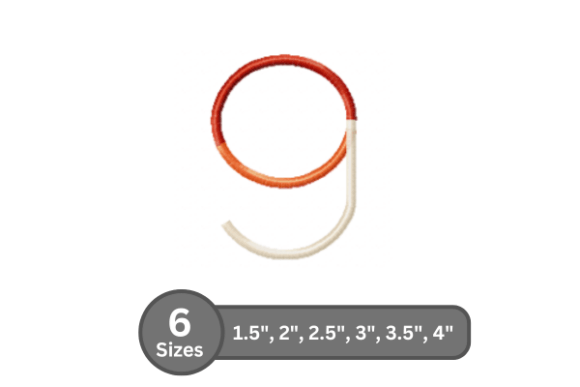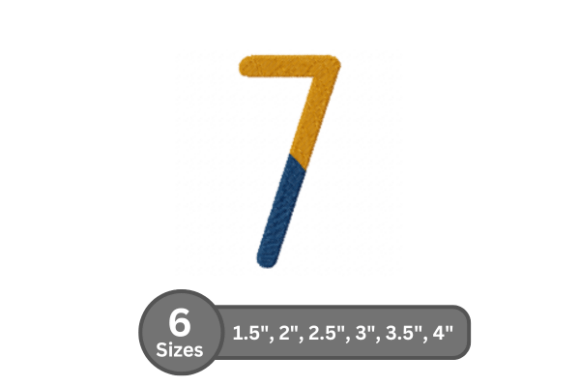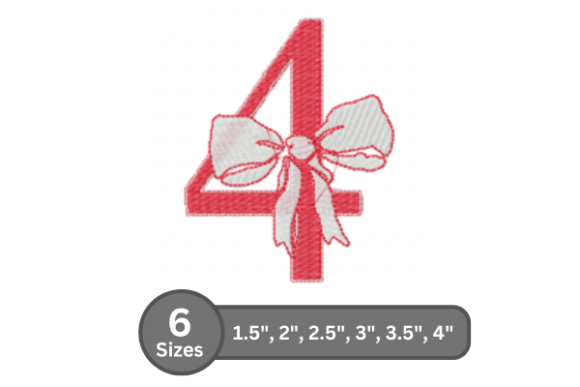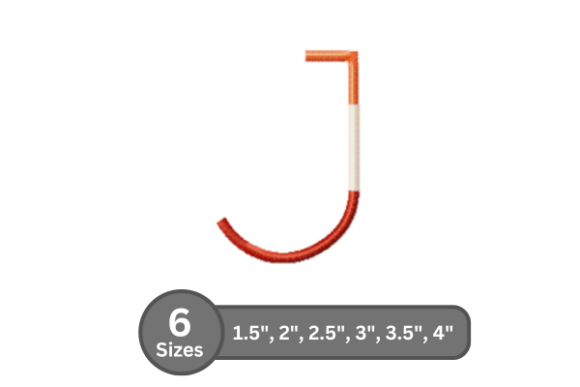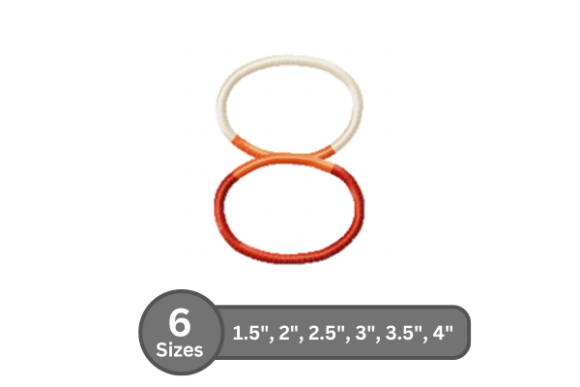
Color Bar Number -8: Bold, Clean & Craft-Fair Ready
As an embroidery designer who’s stitched over 300 craft fair booths—from Portland bazaars to Nashville maker markets—I unzipped Color Bar Number -8 with one question in mind: Will this sell on a crowded Saturday afternoon? The answer? Yes—but only if you use it right. This isn’t a dainty script or a playful doodle font. It’s a fill-stitch monogram built for clarity, contrast, and confident execution. From the moment I loaded the embroidery file into my software, I felt its intention: bold without shouting, modern without coldness, structured without stiffness.
A First Impression That Stops Scrollers—and Shoppers
Color Bar Number -8 lands as modern-minimal with quiet confidence. It’s not farmhouse-chic, not vintage-script, not cartoon-cute. It’s the kind of number font that reads instantly at 6 feet—whether stitched in navy thread on a cream linen tote or in metallic gold on a black cotton apron. At craft fairs, where attention spans last under 3 seconds, that instant legibility is non-negotiable. Customers don’t pause to decode; they recognize, connect, and reach for their wallet. That’s why Color Bar Number -8 shines brightest on products where numbers matter: birth years on baby blankets, house numbers on garden flags, batch numbers on artisan soap wraps, or personalization like “#8” on a custom tea towel set.
Where It Performs Best—And Where It Needs Care
Let’s talk real booth inventory. On tote bag designs, Color Bar Number -8 anchors the lower corner beautifully—large enough to read from across the aisle, dense enough to hold shape after washing. As apron embroidery, it works perfectly centered above the pocket (think “Est. 2024” or “Baker #8”). For tea towel embroidery, it holds up even on textured terry weaves—if you pair it with medium-weight cutaway stabilizer and avoid stitching below 1.5 inches tall. As an embroidered patch, it scales down cleanly to 1.75”, making it ideal for lapel accents or kids’ backpacks.
But here’s the reality check: Color Bar Number -8 struggles on curved cap surfaces unless resized to at least 2.25” wide and paired with tear-away + adhesive stabilizer. On dark fabric, contrast depends entirely on your thread choice—don’t assume black-on-navy will pop; test first. And while it’s designed for smooth stitching, its fill-stitch density means it can overwhelm lightweight silks or delicate voiles. Stick to midweight cottons, canvas, twill, and linen blends for reliable commercial embroidery results.
Why It Converts—From Booth to Etsy Listing
This isn’t just about prettiness—it’s about perception. When customers see Color Bar Number -8 stitched cleanly on a handmade product, they register three things instantly: professional digitizing, intentional design, and handmade quality. That perception lifts perceived value—especially for small shop products priced at $38–$68. On Etsy, Color Bar Number -8 photographs crisply for printable mockups and flat-lay listings. Its clean edges render sharply on white backgrounds, and its consistent stroke weight avoids pixelation when zoomed. Bonus: because it’s a single-number monogram, it’s highly repeatable for batch production—no repositioning, no alignment headaches. Just load, hoop, stitch, repeat.
Design Notes You Can’t Skip Before Booth Day
Even the best machine embroidery design fails without smart prep. Here’s what I do before cutting a single piece of fabric:
- Test on scrap fabric—same type, same color, same stabilizer stack as your final product.
- Check thread contrast visually under both daylight and warm booth lighting—not just on screen.
- Review spacing between numbers if using multiple (e.g., “2024”)—tight kerning can cause thread nesting.
- Confirm hoop size compatibility; some versions of Color Bar Number -8 may require a 5x7” or larger hoop for full-size renditions.
- Inspect stitch density—dense fills need proper stabilizer support, especially on textured towels or thick canvas.
- Use the right stabilizer: cutaway for stretchy knits, tear-away for stable wovens, and fusible + tear-away for caps.
- Create at least one real mockup—not digital, not printed—actual stitched product, held in hand, viewed at arm’s length.
- Compare fabric colors side-by-side: thread can shift dramatically on oatmeal vs. charcoal linen.
- Confirm commercial licensing before selling finished products—this digital embroidery file is intended for commercial embroidery, but always verify terms with the source.
How It Strengthens Your Entire Craft Fair Strategy
Color Bar Number -8 does more than label—it brands. Used consistently across your craft fair product line (e.g., “#8” on every tea towel, pouch, and pillow cover), it becomes a subtle signature. Customers start recognizing your booth by that clean numeral—building brand consistency without logos or slogans. In your display, it adds visual rhythm: large on a banner, medium on a tote, small on a patch. That variation draws the eye up and down your table, increasing dwell time. And for Etsy sellers and boutique makers, it offers versatile design assets: pair it with neutral motifs (a single leaf, a geometric dot) and you’ve got a cohesive collection—not just isolated items.
The Bottom Line for Creative Entrepreneurs
Color Bar Number -8 isn’t flashy—but it’s fiercely functional. It doesn’t chase trends; it serves purpose. Whether you’re stitching 12 embroidered patches for a local coffee shop or prepping 40 personalized market bags for a weekend fair, this monogram delivers clarity, consistency, and quiet authority. It won’t get lost in a sea of cursive fonts or overworked appliqués. It says, “This was made with care—and you’ll notice.” For handmade product creators who value substance over sparkle, Color Bar Number -8 isn’t just another embroidery file. It’s a small, smart, stitch-perfect advantage—one that sells itself, one clean number at a time.