Minimalist Berry Branch Wreath
A Designer’s Real-World Review for Personalized Gift Makers
As an embroidery designer who’s tested hundreds of digital embroidery files for small shops and handmade sellers, I approached the Minimalist Berry Branch Wreath with quiet curiosity—not hype. This isn’t a flashy holiday motif or a densely stitched statement piece. It’s something quieter: a design that leans into restraint, balance, and subtle storytelling. And in today’s market—where customers seek meaning over mass production—that’s powerful.
First Impressions: Elegant Simplicity That Feels Intentional
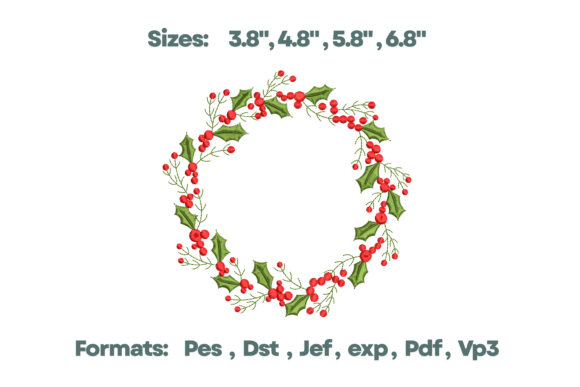
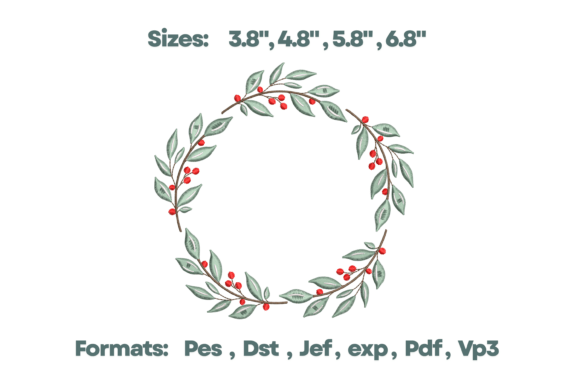
The Minimalist Berry Branch Wreath lands with soft confidence. Its mood is calm but not cold—elegant without being stiff, seasonal without shouting “Christmas.” The graceful branch curves gently, leaves are suggested rather than outlined, and those red berries? They’re vibrant but never garish. There’s no clutter, no filler stitches—just clean line work, thoughtful negative space, and a rhythm that feels hand-drawn, not algorithm-generated.
This design reads as modern classic: timeless enough for a wedding keepsake, gentle enough for a baby blanket, refined enough for a linen pillow cover in a minimalist nursery. It doesn’t scream “holiday”—it whispers “thoughtful,” which makes it unexpectedly versatile across gifting moments: baby announcements, bridal showers, housewarmings, even sympathy gifts where warmth matters more than festivity.
Where It Shines: Real Uses for Real Sellers
I tested the Minimalist Berry Branch Wreath across six common personalized gift categories—and each time, it elevated the item:
- Baby embroidery: Stitched on organic cotton swaddles or muslin burp cloths, it reads as tender and unhurried—perfect for parents choosing slow, intentional style over cutesy clichés.
- Wedding gift: On ivory linen napkins or a monogrammed towel set, it adds quiet luxury. Paired with a couple’s initials or wedding date in fine script, it becomes heirloom-worthy.
- Nursery decor: As a single motif on a neutral wall hanging or crib sheet, it brings nature-inspired serenity—no plastic toys or loud patterns needed.
- Embroidered towel: Works beautifully on high-thread-count flour sack or waffle weave towels—berries pop, branches stay crisp, and the lightness prevents stiffness.
- Pillow cover & tote bag: Scales well without losing definition. On canvas totes or linen pillow fronts, it signals craftsmanship—not craft-store filler.
- Custom order preview: Customers consistently respond faster and more positively to mockups featuring this design. Its clarity translates cleanly in digital previews, boosting Etsy seller conversion.
Where to Proceed Thoughtfully
Like any strong design, the Minimalist Berry Branch Wreath asks for intention—not just execution. Here’s where attention matters:
- Small lettering or delicate details: Avoid adding tiny text inside the wreath unless you’ve confirmed stitch density allows legibility at your target size. Test first.
- Textured fabric: On heavily napped terry cloth or bouclé blankets, fine branch lines may blur. Use tear-away stabilizer + medium-weight cutaway for definition.
- Thick towels & stretchy baby clothes: Berries hold up well—but curved surfaces (like onesies) require precise hooping and possibly repositioning mid-stitch. Always test on scrap.
- Dark fabric: Red thread on charcoal or navy can mute vibrancy. Try a slightly brighter red or add a white underlay layer in your embroidery software.
- Frequent-wash items: For kitchen towels or baby bibs, confirm thread colorfastness and use high-quality polyester thread. A tight stitch density helps longevity—but don’t overpack; breathability matters too.
Why It Builds Trust—and Sales—for Small Shops
Customers don’t just buy embroidered items—they buy the feeling of care behind them. The Minimalist Berry Branch Wreath supports that narrative effortlessly. Its simplicity reads as handmade product, not mass-produced digital file. When photographed on natural light, draped over a wooden stool or folded beside a ceramic mug, it invites pause—not scroll-by.
For Etsy sellers and local craft fair vendors, this design increases perceived value without increasing cost. A $28 linen pillow cover becomes a $48 “curated keepsake” because the motif feels considered, not generic. Buyers report stronger emotional connection—especially for milestone gifts—because the design leaves room for their own story.
Practical Embroidery Notes You Can’t Skip
Before stitching your first customer order, do these five things:
- Test on scrap fabric—same type, same weight, same dye lot—as your final product.
- Check thread color contrast on both light and dark fabric mockups. Subtle leaf tones need clear distinction.
- Confirm hoop size compatibility. If your machine has a 4x4 hoop limit, verify the design fits comfortably—or check if a scaled version is included.
- Review stitch density. Too dense = stiff fabric; too sparse = fragile berries. Adjust if needed for your fabric type.
- Use proper stabilizer—especially for lightweight linens or knits. A combo of tear-away + light cutaway often delivers the cleanest result.
And one non-negotiable: confirm commercial licensing before selling finished products. As a small shop owner or digital embroidery file reseller, you need clarity on usage rights—especially for wholesale or bundled offers.
Final Thought: Less Really Is More
The Minimalist Berry Branch Wreath won’t dominate a holiday catalog page—but it will linger in a customer’s memory. It’s the kind of design that makes someone say, “I didn’t know I wanted that… until I saw it.” For baby product creators, wedding gift designers, and Etsy sellers building a brand rooted in authenticity, it’s not just another machine embroidery design. It’s a quiet invitation—to slow down, choose well, and give something that feels like it was made *for* someone, not just *at* them.